


Nlyte Data Center Optimization
Plan capacity, improve power and cooling efficiency, and manage thermal risk using AI assisted intelligence.
Used by the Largest and Most Sophisticated Data Center Leaders in the World






Data Center Optimization Starts with Visibility
Data center optimization is no longer optional. Energy costs rise. Density increases. Infrastructure ages. Business demand keeps growing.
The Data Center Optimization Initiative, commonly known as DCOI, exposed a core truth. You cannot optimize what you cannot measure. Many organizations struggled to meet optimization targets because they lacked consistent data, clear ownership, and a single system of record.
Spreadsheets and manual processes break down at scale. Reporting becomes painful. Decisions slow. Capacity hides in plain sight.
Nlyte was built to solve this problem. The platform supports data center optimization by connecting physical infrastructure, operational processes, and financial outcomes in one model. It enables capacity driven planning, improves power and cooling efficiency, applies AI assisted placement and forecasting, and strengthens thermal management.
This page explains how those capabilities work together to help organizations achieve DCOI goals and long term operational excellence.

Capacity Driven Planning Creates Control
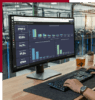
Capacity driven planning forms the backbone of data center optimization. It replaces assumptions with facts.
Instead of asking how much space or power you think you have, you ask how much you can safely use.
With Nlyte, capacity planning starts with accurate inventory. Every rack, device, circuit, and dependency lives in one system. This creates a reliable baseline.
From there, teams plan based on:
- Actual space availability
- Power limits at panel, circuit, and rack levels
- Cooling constraints by zone
- Business and contractual priorities
The DCOI showed that many organizations overestimated capacity because they lacked a consistent planning model. That gap led to unnecessary capital spend and stalled consolidation efforts.
Capacity driven planning fixes that gap.
From Inventory to Actionable Capacity
Nlyte turns inventory into insight. Capacity views show:
- Available versus assigned resources
- Constraints that limit growth
- Areas of stranded or underused capacity
Planners can run scenarios before making changes. They can test the impact of new deployments, consolidations, or retirements.
This approach reduces risk. It also speeds decision making. Teams no longer wait weeks for manual assessments.
Capacity driven planning also supports audit and reporting needs. When stakeholders ask for utilization data, the answers already exist.


Power and Cooling Efficiency Reduce Cost
Power and cooling represent the largest operating expense in most data centers. Small inefficiencies add up quickly.
The DCOI emphasized energy reduction as a core metric. Agencies that improved visibility into power and cooling achieved measurable savings.
Nlyte helps organizations manage power and cooling efficiency through clear modeling and monitoring.
Key capabilities include:
- End to end power chain visibility
- Load tracking by device and rack
- Identification of imbalance and oversubscription
- Support for right sizing infrastructure
When teams understand where power flows, they can reduce waste. When they see cooling demand by zone, they can adjust airflow instead of overcooling entire rooms.
Turning Efficiency Into Measurable Results
Efficiency is only valuable when it translates into outcomes.
With Nlyte, teams connect power and cooling data to:
- Energy reduction goals
- Cost reporting
- Sustainability initiatives
Reports show how changes affect consumption over time. Leaders see the business impact of operational decisions.
This connection turns data center optimization into a measurable program rather than a theoretical goal.
AI Assisted Placement Improves Utilization
As environments grow denser, placement decisions become harder. A single server can affect power, cooling, and risk across multiple systems.
AI assisted placement helps teams make better choices.
Nlyte uses advanced analytics to recommend optimal placement based on:
- Available capacity
- Power and cooling constraints
- Redundancy requirements
- Historical patterns
This reduces human error. It also improves utilization by placing equipment where it fits best.
The DCOI highlighted the limits of manual planning at scale. AI helps organizations move beyond those limits.
Forecasting Supports Proactive Decisions
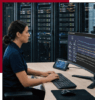
Forecasting plays a critical role in data center optimization.
Nlyte analyzes historical data to predict future demand. Teams see trends in:
- Space consumption
- Power usage
- Cooling requirements
These insights support better budgeting and timing. Instead of reacting to shortages, organizations plan ahead.
Forecasting also helps justify investments. Leaders see when and why capacity expansions make sense.
Thermal Management Protects Reliability
Thermal issues create risk. Hot spots reduce equipment life and increase the chance of failure.
Effective thermal management requires visibility and coordination.
Nlyte integrates temperature data into the infrastructure model. This allows teams to:
- Visualize heat distribution
- Identify emerging hot spots
- Balance airflow across zones
By linking thermal data to asset and capacity models, teams understand cause and effect.
Thermal management becomes part of everyday operations instead of an emergency response.

Supporting DCOI Reporting and Compliance
The DCOI required organizations to report standardized metrics. Many struggled due to inconsistent data and manual processes.
Nlyte simplifies reporting by centralizing data. Metrics such as utilization, efficiency, and capacity are always available.
This reduces the burden on teams. It also improves confidence in reported numbers.
Organizations spend less time gathering data and more time improving performance.
Demonstrating ROI From Optimization
Optimization initiatives must show return on investment.
The DCOI demonstrated that DCIM investments pay back through energy savings, deferred capital, and reduced labor.
Nlyte supports ROI by enabling:
- Energy reduction through efficiency
- Capacity recovery through accurate planning
- Labor savings through automation
- Risk reduction through visibility
These benefits compound over time.
Designed for Teams, Not Just Technology
Data center optimization succeeds when people adopt the tools.
Nlyte supports adoption through:
- Role based views
- Clear dashboards
- Configurable reports
Operations, facilities, finance, and leadership each see what matters most.
This shared understanding aligns teams and improves collaboration.
Built to Integrate with Existing Systems
Most organizations already use multiple tools.
Nlyte integrates with existing systems through open interfaces. Data flows between platforms without duplication.
This reduces disruption and speeds time to value.
Why Nlyte for Data Center Optimization
Nlyte brings together the lessons of DCOI and years of operational experience. Organizations choose Nlyte to:

Achieve
data center optimization with confidence

Improve
planning accuracy

Reduce
energy and operational cost

Support
compliance and reporting
The platform grows with your environment and your goals.


Ready to turn optimization goals into measurable results?
Request a demo to see how Nlyte supports data center optimization in your environment.
Frequently Asked Questions
Latest Resources
Upcoming Webinars
